 DinoDraw Kids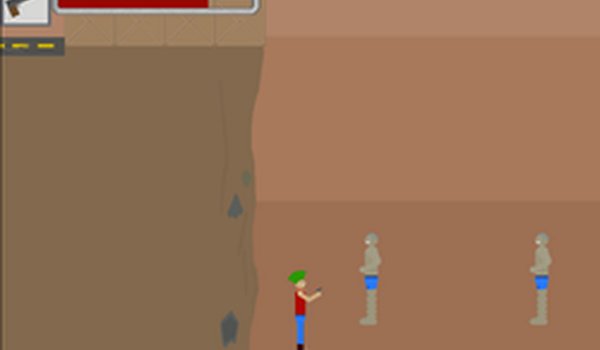
Endless Dash: Ruin Runner
Reviews
Endless Dash: Ruin Runner stands out for its tight controls and strategic tool cycling. The side-scrolling action demands constant attention, but the learning curve feels fair. The punk-inspired visuals give the world a distinct personality, and the obstacle variety prevents runs from feeling repetitive. It is a solid choice for players who enjoy reflex-based challenges with a layer of tactical thinking. The lack of a definitive end might frustrate some, but the pursuit of a better score drives replayability.
About This Game
Core Movement Mechanics
Endless Dash: Ruin Runner centers on continuous forward motion through a decaying urban environment. Players control a lone figure who must run, jump, and slide past obstacles that appear without warning. The game rewards those who maintain momentum, as hesitation often leads to failure. Timing each jump and slide requires focus, especially when gaps appear between crumbling platforms. The controls are simple but demand precision, making each run a test of hand-eye coordination.
Tool Cycling System
A key feature is the ability to cycle through different tools during gameplay. Each tool serves a specific purpose, such as clearing debris or creating temporary bridges. Players must quickly assess each obstacle and select the appropriate tool from their inventory. This adds a layer of strategy to the fast-paced action, as choosing the wrong tool can slow progress or cause a fall. The tool cycling mechanic encourages experimentation and quick thinking under pressure.
Visual Atmosphere and World Design
The game adopts a punk-inspired visual style that reflects the gritty, run-down setting. Backgrounds feature collapsed buildings, rusted machinery, and flickering lights. The art direction emphasizes decay and resilience, with each environment telling a story of abandonment. The color palette uses muted tones with occasional bright accents to highlight interactive elements. This visual approach helps immerse players in the harsh world while keeping the focus on gameplay.
Obstacle Patterns and Difficulty Curve
Obstacles appear in increasingly complex patterns as players progress. Early runs introduce simple gaps and low barriers, but later sections combine multiple hazards that require precise sequencing of jumps and tool use. The difficulty ramps up gradually, allowing players to learn basic patterns before facing more demanding challenges. This structure keeps the game accessible to newcomers while offering depth for experienced players seeking a test of skill.
Replay Value and Skill Development
Each run is unique due to the random arrangement of obstacles and tool drops. Players improve by memorizing obstacle types and refining their reaction times. The game tracks performance metrics such as distance covered and tools used, providing clear goals for improvement. The combination of procedural elements and skill-based mechanics encourages repeated play. Over time, players develop a personal rhythm and learn to anticipate threats, making each successful run feel earned.









Comments
0 comments